
Small teams carry processes in their heads. When that person is on leave the work stops — and when they move on, it stops permanently. We automate the repeated back-office work so it runs without depending on anyone, and the people you do have spend their time on the mission instead of the admin.
47 processes automated · no new platform to buy · UK-based delivery · ISO 27001-certified
Charities do not have the problems consultancies like to solve. They have these three.
Each one takes work off a desk and puts it somewhere it runs on its own.

The repeated finance, HR and reporting processes that eat a day a week — automated end to end and documented so anyone can pick them up.
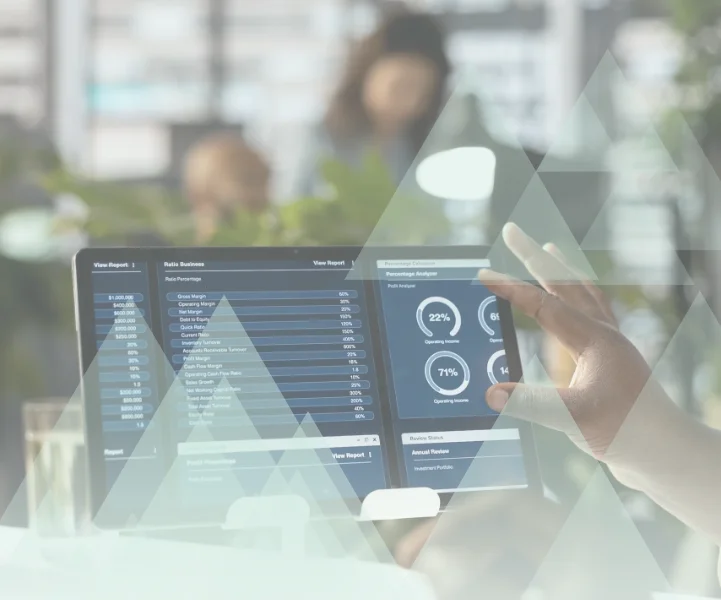
The numbers your board and your funders ask for, produced the same way every time instead of rebuilt by hand each quarter.

CRM, finance and case management joined up, so a record entered once stops being retyped three times.

A live case study, and a referee who will take your call.
Back-office processes automated
Critical back-office work taken off one desk, built on the Microsoft licences Graham Windham already held and documented so anyone on the team can pick it up.

Built with our partner esynergy, at national-charity scale.
Rows ingested a day
Built with esynergy into a governed, reportable data estate. Our Head of Data Architecture, Joshua Stevenson, led the data architecture.
Publicly funded charities can buy through G-Cloud with no tender. For everyone else it is a straight commercial engagement — discovery first, fixed price, then the build.
For publicly funded work. Direct award, no tender.
Discovery, fixed price, defined scope. The usual route for charities.
We find out whether this is worth doing before anything is built.
Not on G-Cloud? We also deliver through other public-sector frameworks and directly under your own terms — see all the routes to buy us
No. Almost everything we build for charities runs on Microsoft licences you already hold. If a new licence genuinely is needed we will say so before you commit to anything, and explain why.
It is usually the opposite. The smaller the team, the more damage a single point of failure does. Work of this kind often starts with two or three processes rather than a programme.
You do. It is built in your tenancy on your licences and handed over documented, so your team or another supplier can take it on whenever you choose.
It stays in your Microsoft environment. We work to UK GDPR with role-based access, encryption and audit logging, and we supply a DPIA. All our people are BPSS and BS7858 screened.
Nothing to start the conversation. A free health check gives you a short written report on what you run and what is actually wrong with it, and you keep the report either way.
A director reads every enquiry. A straight answer within a working day.